Essential Guide to Two Way Radios for Events: Choosing the Right Radios for Effective Communication
Two Way Radios For Events | Understanding Two-Way Radios for Events
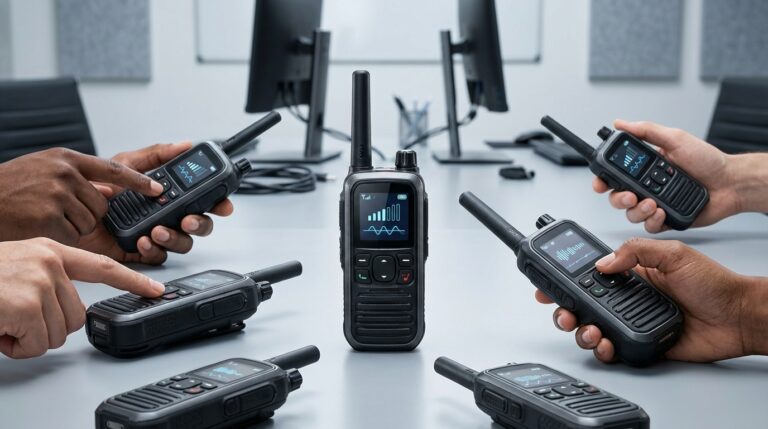
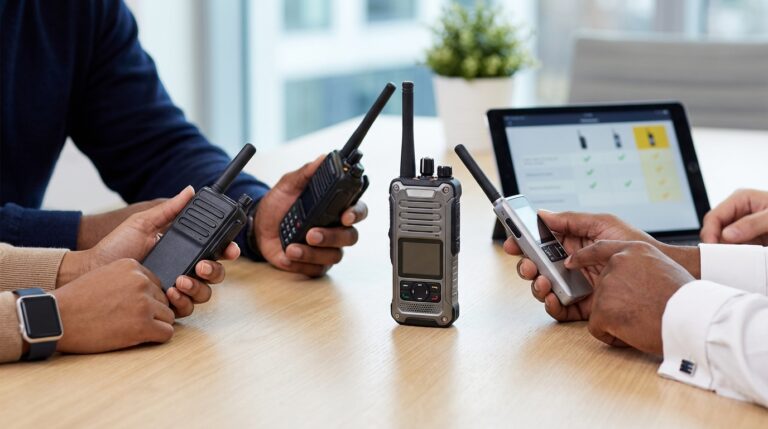
Two way radios for events serve as essential tools for facilitating clear and efficient communication among staff and participants. These radios enhance coordination and safety, making them an ideal choice for diverse gatherings, from corporate events to festivals. Two-way radios provide instant connectivity, critical in fast-paced environments where every second counts. Users can rely on various models, including digital radios, which offer advanced features like better audio quality and extended range. Understanding the specific benefits and functionalities of two way radios enables event organizers to select the most suitable options for their unique needs, ensuring a seamless experience for everyone involved.
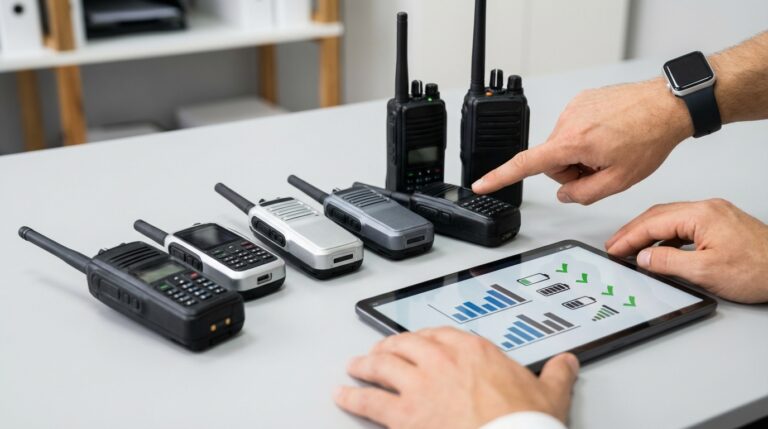
| Radio Model | Range | Battery Life | Key Features |
|---|---|---|---|
| Motorola XT460 | Up to 3 miles | 18 hours | IP54 rated, 16 channels, programmable buttons |
| Kenwood TK-3402U16P | Up to 5 miles | 17 hours | Compact design, noise cancellation, durable |
| Baofeng UV-5R | Up to 5 miles | 24 hours | Dual band, FM radio, LED flashlight |
| Hytera PD362 | Up to 6 miles | 14 hours | Lightweight, color display, VoIP capability |
Two Way Radios for Events | Benefits of Using Two-Way Radios at Events
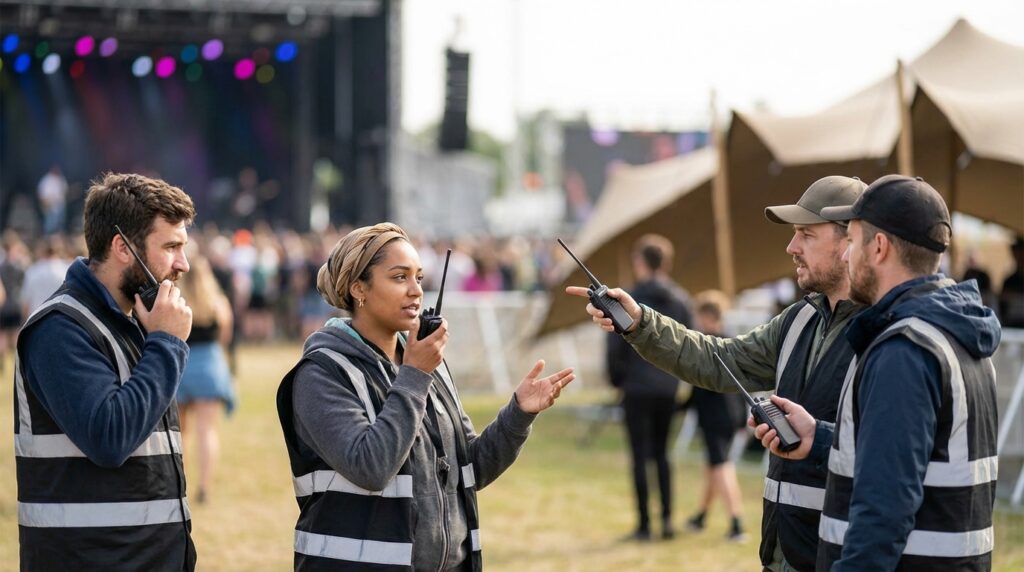
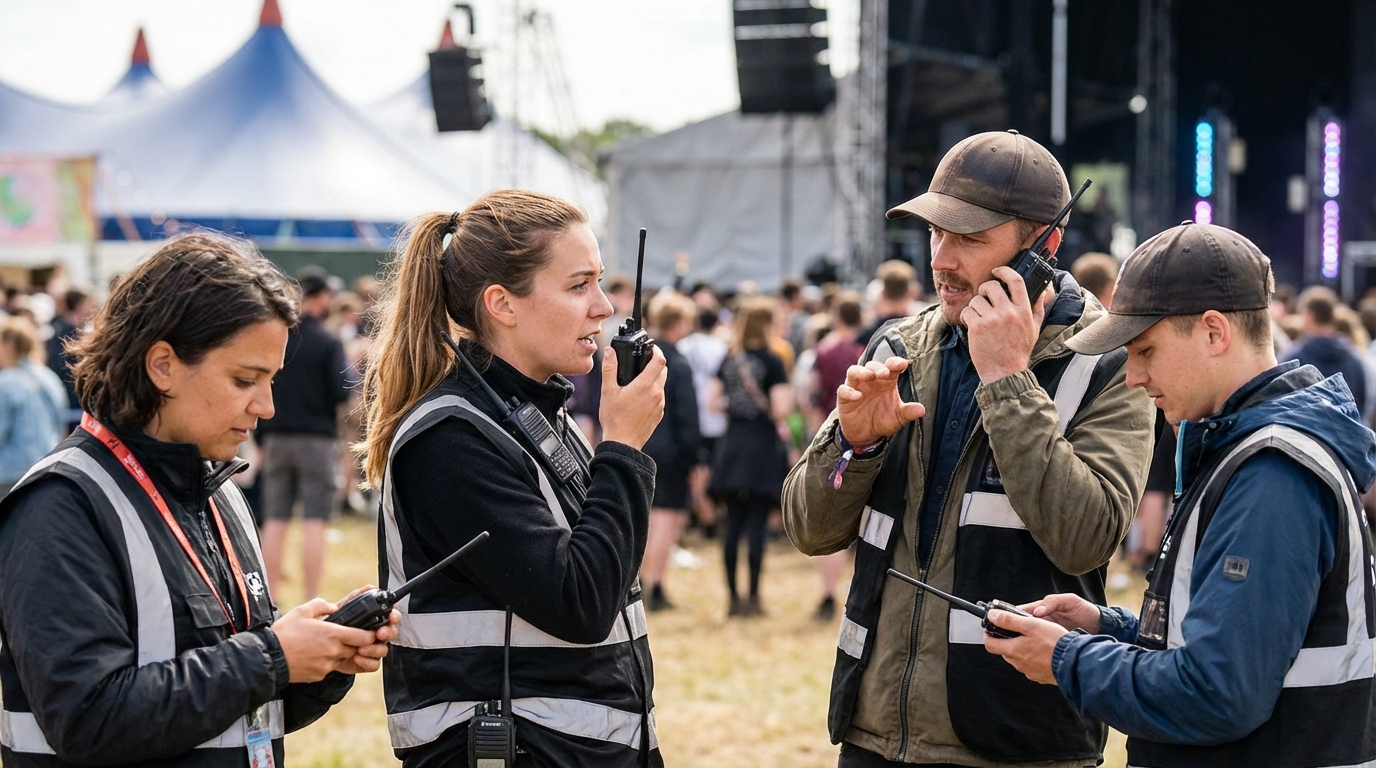
Two Way Radios for Events offer a distinct advantage in managing communication effectively. These devices, including UHF radios and digital radios, ensure clear and reliable radio signals, crucial in busy environments. Events often require quick coordination among teams. Using two way radios enhances the efficiency of broadcast messages, minimizing delays and misunderstandings that can occur with other communication methods, such as CB radios.
Security and safety become more manageable with Two Way Radios for Events. Event staff can swiftly communicate any issues or emergencies, ensuring a prompt response. The portable nature of these radios allows for flexibility in movement, which is essential in dynamic event settings. With the ability to transmit messages over long distances, teams can stay connected even in large venues, reinforcing the importance of a seamless communication system during events.
Key Features to Look for in Two-Way Radios
Two Way Radios for Events must possess specific features to ensure effective communication. A reliable FM signal is crucial, as it directly impacts the clarity of conversations among event staff. Look for radios equipped with high-quality antennas that can enhance signal reception in crowded environments. The design and sensitivity of the antenna are key, especially when dealing with large venues or outdoor settings where obstacles can interfere with radio waves.
Another essential aspect to consider is the battery life of the electronics involved. Extended battery performance is vital during long events to avoid disruptions in communication. Features such as rechargeable batteries and energy-saving modes can make a significant difference. Furthermore, options for hands-free operation, like a push-to-talk feature, enhance usability, allowing staff to stay connected while multitasking. All these elements contribute to the overall effectiveness of Two Way Radios for Events.
Types of Two-Way Radios
Two Way Radios for Events are essential tools that come in various types, each designed to meet specific communication needs. For large gatherings like concerts, commercial-grade radios often provide the robust range and durability required for effective coordination. Personal use radios, on the other hand, are suitable for smaller events or remote work scenarios, offering ease of use and portability. Key accessories like antenna analyzers, headphones, earpieces, and microphones enhance the functionality of these radios, ensuring clear communication. Choosing the right type of Two Way Radios for Events is crucial for maximizing efficiency and maintaining smooth operations throughout any gathering.
- Commercial-grade radios are ideal for large events, offering extended range and durability.
- Personal use radios are more suited for smaller gatherings and casual settings.
- Accessories like headsets and earpieces can improve clarity and comfort during use.
- Battery life is an important factor to consider when selecting a two-way radio.
- Consider the specific terrain and environment, as some radios perform better in challenging conditions.
- Look for models with features like weather resistance for outdoor events.
- Always check the licensing requirements for operating two-way radios in your area.
Commercial Radios vs. Personal Use Radios
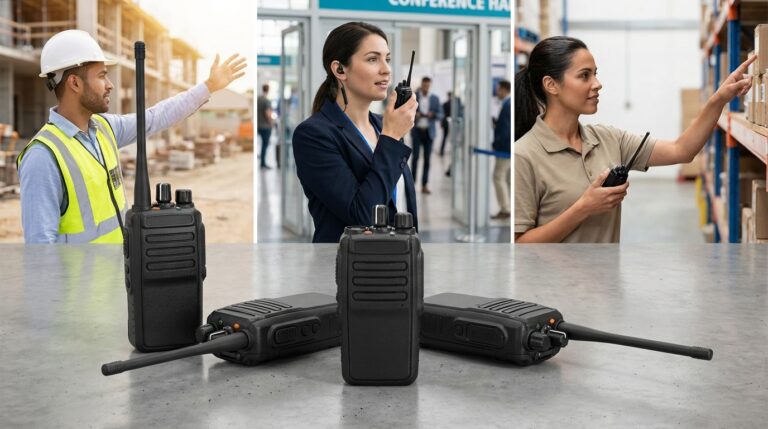
Commercial radios are designed for professional settings, making them ideal for two way radios for events. These devices often include features like enhanced noise cancellation and earpiece compatibility, ensuring clear communication even in crowded environments. Their robust construction and extended range allow users to coordinate effectively over larger areas, making them a staple for staff managing events. In contrast, personal use radios are typically intended for casual communication, often limited in range and durability. These radios may not perform as effectively in noisy situations, making them less suitable for high-stakes environments like events.
Personal use radios often rely on basic communication functions, similar to cellphones, making them accessible for everyday interactions. However, they lack the advanced capabilities found in commercial two-way event radios, such as multiple channel selection and advanced battery life. For event planners, choosing the right type of two way radios for events can significantly impact the overall success of communication strategies. Selecting a commercial radio can ensure that all team members are equipped with reliable devices that meet the demands of a fast-paced event environment.
Selecting the Right Type of Two-Way Radio
Choosing the right two-way radios for events is crucial for maintaining seamless communication. Various types of two-way radios are designed to meet specific needs. For extensive outdoor events, long-range radios may be the best option, ensuring that all team members stay connected across large areas. Powerful radios offer improved clarity and strength, which can be vital in crowded or noisy environments. Understanding the requirements of your event will help in selecting the most effective two-way radio solution.
Evaluating factors such as frequency range, battery life, and durability will guide you in making the right choice. A robust two-way radio system is essential for efficient communication during events, especially in challenging conditions. Consider the size of your team and the distance between members before finalizing your selection. Investing in quality two-way radios for events can enhance coordination and ensure a successful experience for both organizers and attendees.
Essential Two-Way Radio Equipment
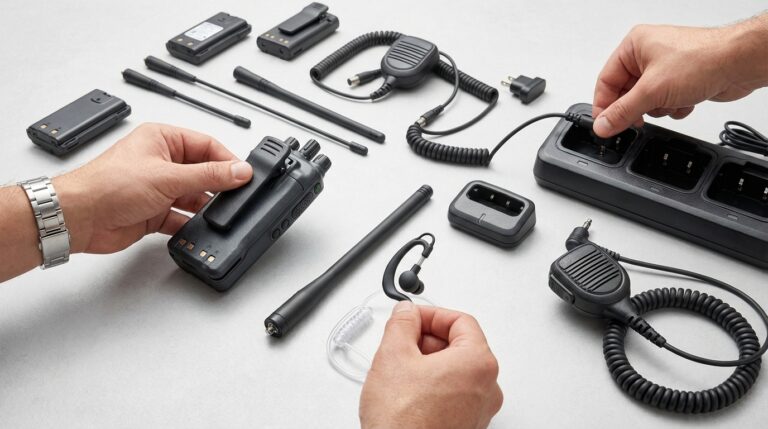
Two Way Radios for Events require a selection of essential equipment to ensure seamless communication. Radio experts recommend choosing the right radio type based on event size and environment, whether opting for analog radios or more advanced models. The first radio selected should cater to the event’s specific needs, including range, battery life, and durability. Accessories such as earpieces, extra batteries, and charging stations significantly enhance the functionality of two-way radios, ensuring uninterrupted communication in the fast-paced two-way radio industry. Investing in the right equipment not only improves efficiency but also contributes to a successful event experience.
Accessories to Enhance Your Two-Way Radio Experience
Upgrading your Two Way Radios for Events with the right accessories significantly boosts their functionality. For instance, high-quality headsets provide privacy and clarity during communication, minimizing distractions from surrounding noise. This is particularly essential in busy event environments where effective coordination is crucial. A reliable battery pack enhances radio power, ensuring extended use throughout the event. Choosing a digital radio system can also improve the radio-to-radio signal and reduce interference, allowing for clearer conversations.
Using a way radio center allows event organizers to manage multiple communication channels effectively. Accessories such as carry cases and belt clips enable easy mobility for radio users while ensuring equipment is readily accessible. Consulting with two-way radio consultants can help you select the best accessories that align with your specific needs. Quality accessories not only enhance the performance of Two Way Radios for Events but also contribute to the overall success of the event.
Maintenance Tips for Two-Way Radio Equipment
Maintaining your two-way radios is crucial for ensuring optimal performance during events. Frequent checks on your equipment can prevent issues that might disrupt communication. A quality radio should be cleaned regularly to avoid dirt and moisture buildup, which can affect the radio signal. Make sure to examine the battery life and replace or recharge batteries as needed, especially for two-way radio rentals. Proper care will help prolong the life of your equipment and maintain clear radio chatter.
Investing in a quality radio series is essential for successful events. Keep an eye on the antenna and connection ports, as these are vital for transmitting the perfect radio signal. Regular software updates can enhance functionality and introduce new features. Having a maintenance checklist can simplify the process and ensure that all components are in good working condition. This approach can help you avoid communication mishaps and keep your two-way radios ready for every event.
Popular Brands of Two-Way Radios
Selecting the right radio brand is crucial for effective event audio communications. Leading manufacturers offer a range of Two Way Radios for Events, designed to facilitate seamless communication across multiple events. Lightweight radios are particularly popular among event organizers for their ease of use and practicality. Advanced clpe radios provide enhanced features that cater to diverse connectivity needs, ensuring reliable communication. With various devices available, understanding the strengths and weaknesses of each radio brand will help you choose the best option for your specific requirements.
Review of Top Two-Way Radio Options
Selecting the right Two Way Radios for Events can significantly enhance communication during large gatherings. Many companies offer radio rental options that include advanced features like noise-canceling technology. These radios often come equipped with quality audio capabilities to ensure clear conversations even in noisy environments. Users can choose from various antenna options to optimize signal strength, making it easier to stay connected with teams scattered across the event venue.
Several brands stand out in the market for their commitment to quality and functionality. For instance, some models integrate seamlessly with surveillance earpieces, providing discreet communication for security personnel. Others emphasize compatibility with smartphones, allowing users to switch between audio from Two Way Radios for Events and phone calls effortlessly. These features make them ideal for managing logistics and ensuring the safety of attendees effectively.
- Consider the range of the device to ensure it covers the entire event area.
- Look for radios with long battery life to avoid interruptions in communication.
- Check for durability and weather resistance if the event is held outdoors.
- Evaluate the user interface for ease of use, especially for large teams.
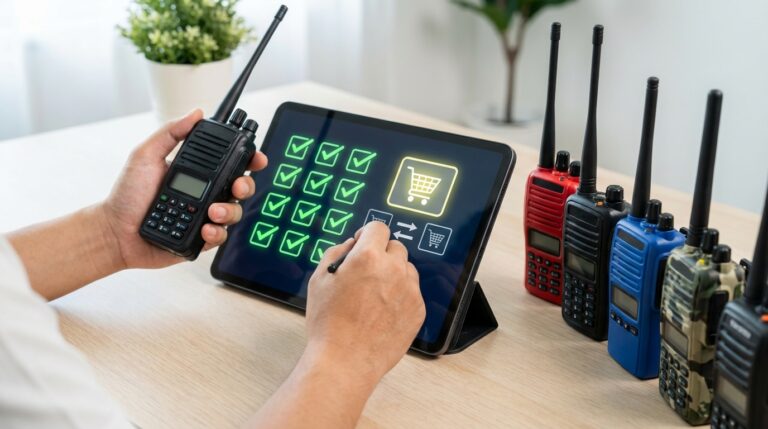
- Compare pricing options and rental plans to find the best fit for your budget.
- Test the audio quality in various environments to ensure clarity.
- Research user reviews for real-world feedback on performance and reliability.
Comparing Features of Leading Two-Way Radio Brands
Leading brands of Two Way Radios for Events offer a range of features tailored to enhance real-time communication. Devices equipped with iii fcc am/fm capabilities provide clear audio, reducing static and improving transmission quality. Many of these radios support various audio accessories, enabling users to customize their equipment for different environments, such as noisy festival grounds or quiet conference rooms.
Different models focus on distinct functionalities, appealing to diverse event needs. Some two-way radios emphasize extended battery life, while others feature rugged designs for outdoor use. Understanding these differences allows event planners to select the right equipment that ensures seamless interaction among staff and participants, thus maximizing the effectiveness of Two Way Radios for Events.
Setting Up Two-Way Radios for Events
Effective communication strategies are essential for seamless operations during events. Two Way Radios for Events play a crucial role in ensuring that team members stay connected throughout the venue. Creating a clear schedule for radio use can enhance coordination and efficiency. Implementing features like voice-activated transmission allows hands-free operation, enabling users to communicate without interrupting tasks. Brands like President Electronics are known for their reliable audio quality, making them a preferred choice over cellular devices, which may suffer from connectivity issues. Ensuring that everyone is familiar with the functionality of Two Way Radios for Events can significantly boost teamwork and response times.
Effective Communication Strategies for Events
Utilizing Two Way Radios for Events can significantly enhance communication during concerts and large gatherings. Strategic equipment setup ensures that all team members are on the same channel, allowing for seamless coordination. This is particularly vital in remote locations where mobile phone coverage may be limited. Clear sound and immediate feedback through the radios can lead to prompt decision-making, ultimately contributing to the success of the event.
Establishing effective communication protocols is essential for managing events smoothly. Assigning specific channels for different teams can minimize confusion and ensure that vital messages reach the appropriate personnel quickly. Two Way Radios for Events not only facilitate communication but also help maintain safety and organization, which are critical in crowded environments like concerts. Prioritizing these strategies will enhance overall event management and improve the experience for both staff and attendees.
Best Practices for Deploying Two-Way Radios
Successful deployment of Two Way Radios for Events relies heavily on thorough event planning. Begin by assessing the size and layout of the venue. This will inform decisions on the number of channels needed for effective communication. Assign specific channels for different teams to minimize interference and enhance clarity. Testing the radios before the event is crucial to ensure all units are functioning well, especially in areas where AM/FM signals may be weak.
Establish clear communication protocols to maximize the efficiency of Two Way Radios for Events. Designate a lead operator to manage the communication flow and address any tech issues that arise. Encourage all team members to familiarize themselves with the radio features, such as channel switching and group messaging, before the event kicks off. This preparation fosters a seamless communication experience, allowing teams to focus on their roles and enhance the overall success of the event.
| Best Practice | Description | Benefits |
|---|---|---|
| Venue Assessment | Evaluate the size and layout of the venue to determine communication needs. | Helps determine the number of channels and units required for effective communication. |
| Channel Assignment | Assign dedicated channels for different teams to reduce interference. | Improves clarity and effectiveness of communication among team members. |
| Pre-Event Testing | Test radios in the actual venue ahead of time to ensure functionality. | Identifies and resolves potential issues with signal strength and equipment. |
| Designate a Lead Operator | Assign a team member to manage communication flow during the event. | Ensures efficient communication and prompt resolution of tech issues. |
| Familiarization Training | Provide training on radio features and protocols for all team members. | Enhances team preparedness and improves overall communication efficiency. |
Troubleshooting Common Two-Way Radio Issues
Two Way Radios for Events can sometimes encounter issues that may hinder effective communication. Challenges such as poor coverage or limited indoor range can significantly affect the operation of your system, particularly in large venues. It is essential to ensure that the radios are set to the correct frequency and that there are no obstructions that might interfere with the signal. Digital audio quality is crucial for clarity during important announcements, so regular checks on battery life and connection stability are vital. Addressing these issues promptly can save valuable time and enhance overall communication efficiency during events.
Conclusion
Two Way Radios for Events offer a reliable means of communication that surpasses the limitations of cellphones, especially in noisy environments. Their robust design and functionality allow event organizers to maintain efficient communication among staff and volunteers. Using accessories such as earpieces can further enhance the experience, allowing for discreet communication that minimizes distractions. The advantages of two-way event radios become particularly evident during large gatherings, where managing communication effectively is crucial. Embracing two way radios for events can significantly elevate the coordination and execution of any event.
FAQS
What types of consumer radios are best for ensuring a strong radio signal need during events?
When planning events, it’s crucial to select consumer radios that provide a reliable radio signal need. Look for models specifically designed for events, with features like long-range capabilities and clear audio quality, to ensure effective communication among staff and attendees.
What are the advantages of using two way radios for events compared to other communication methods?
Two way radios offer reliable and instantaneous communication, making them ideal for events. They often have extended battery life and can operate in areas without cell service, which is a significant advantage over smartphones and other methods that rely on a cellular network. Additionally, two way radios allow multiple users to communicate on the same frequency, enhancing coordination among event staff and participants.
How can two way radios enhance communication effectiveness for large events?
Two way radios are specifically designed for seamless communication, making them ideal for large events. They offer instant communication, which improves coordination among staff and enhances overall efficiency. Unlike traditional cell phones that rely on networks, two way radios operate on radio frequencies, ensuring reliable connectivity even in crowded or remote areas. This feature is particularly useful for security personnel, event organizers, and vendors, who benefit from immediate updates and instructions, significantly enhancing the event experience for all participants.
What features should I look for in two way radios to ensure effective communication at events?
When selecting two way radios for events, it’s important to consider features such as battery life, range, durability, and ease of use. A long-lasting battery ensures that the radios can operate throughout the event without needing frequent recharges. A sufficient range is vital for communication in larger venues or outdoor settings, while durability is important for handling the rigors of event usage. Additionally, user-friendly designs help facilitators and staff communicate effectively.
How do two way radios improve safety communication during large events?
Two way radios significantly improve safety communication by allowing instant and clear communication among event staff, which is crucial for coordinating emergency responses and ensuring the safety of attendees during large events.