Exploring Digital Two Way Radio Systems for Effective Two-Way Communication
Understanding Digital Two-Way Radio Systems
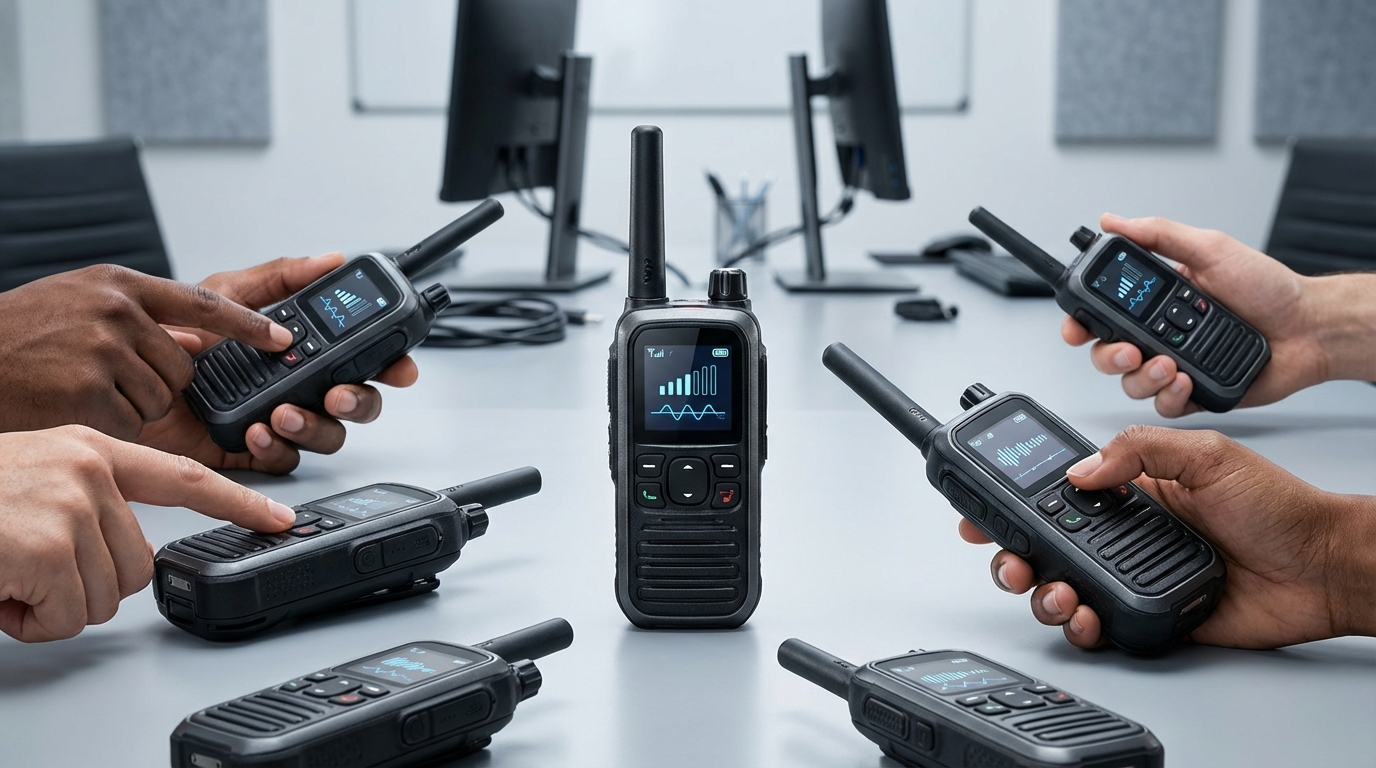
Digital two way radio systems have revolutionized communication in various sectors, offering advanced features compared to traditional radios. A two-way radio allows users to send and receive messages instantly, making it ideal for real-time communication. The transition to digital radio technology enhances audio quality and reduces interference, providing clearer and more reliable connections. Digital two way radios leverage sophisticated encryption methods, ensuring that sensitive communications remain private and secure. These radios have become essential tools in mobile radio applications, from emergency services to business operations, showcasing their versatility and effectiveness in today’s fast-paced environment.
Digital Two Way Radio Systems | What are Two-Way Radios?
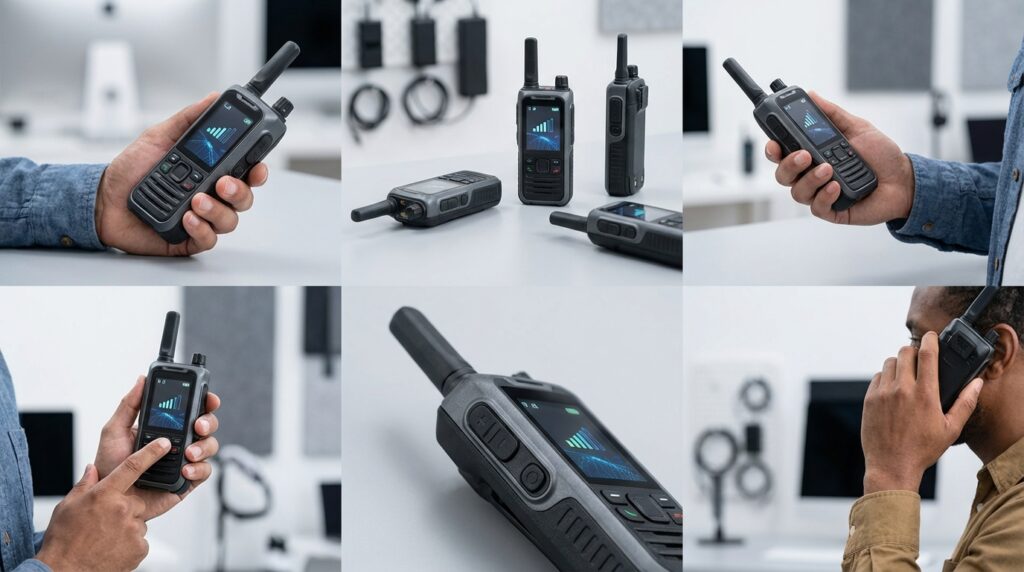
Two-way radios, commonly known as radios that allow for simultaneous communication between users, have evolved significantly with the advent of Digital Two Way Radio Systems. These systems utilize radio frequencies to transmit and receive messages, making them essential tools in various sectors. Amateur radio enthusiasts often engage with these devices, while the broader radio market encompasses options like CB radio and unlicensed radio frequencies. The shift towards digital transmission has revolutionized how users communicate, leading to clearer audio quality and enhanced functionality.
The fundamental principle behind two-way radios involves the use of radio waves to convey information through digital signals. Digital Two Way Radio Systems employ advanced encoding techniques to improve the clarity and reliability of communications. This format has rendered old analog systems less favorable, as digital transmission minimizes interference and enhances security. As users transition to modern communication methods, understanding the mechanics and advantages of digital two-way radios becomes crucial.
Key Components of Two-Way Radio Systems
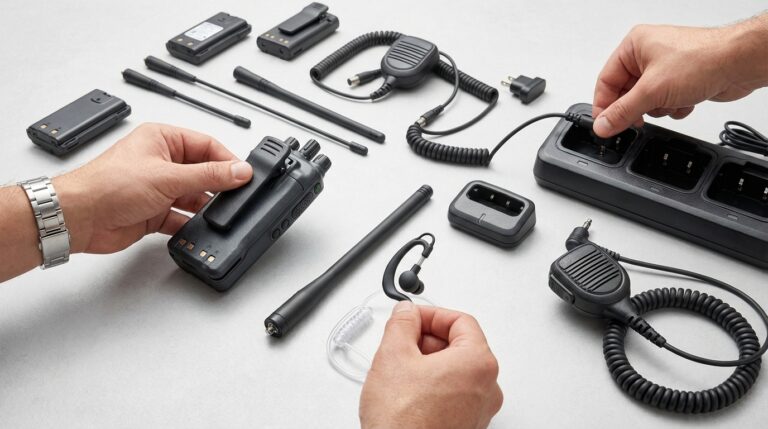
Digital Two Way Radio Systems comprise several essential components that work together to facilitate effective communication. A typical system includes a transmitter, receiver, and antenna. The transmitter converts voice signals into radio frequency signals for transmission, while the receiver captures these signals and translates them back into sound. These systems often utilize land mobile radio technology, employing either VHF (very high frequency) or UHF (ultra high frequency) bands to ensure reliable communications across various distances and environments.
Battery life and durability are also critical components of two-way radios. The functionality of Digital Two Way Radio Systems can be significantly affected by the battery’s performance, requiring regular monitoring and replacement. Robust construction in analog transmissions is vital for reliable use in challenging conditions. The combination of these elements defines the effectiveness of communication systems in diverse applications, allowing seamless interaction whether for emergency services or business operations.
The Evolution of Digital Two-Way Radios
Over the years, Digital Two Way Radio Systems have undergone significant transformations, spearheaded by advancements in electronics and communication technologies. The shift from traditional analog systems to digital formats has revolutionized how signals are transmitted, particularly utilizing frequencies such as 900 MHz. Digital systems enhance channel capacity, enabling more efficient use of the available spectrum. Key innovations, like TDMA technology, allow multiple users to communicate simultaneously without interference, improving overall efficiency. The transition from FM to digital modulation has empowered users with clearer audio quality and reliable transmission, marking a pivotal milestone in the evolution of two-way radios.
Transition from Analog to Digital Radios
The shift to Digital Two Way Radio Systems marked a significant advancement from traditional analog technologies. Handheld devices began utilizing digital signals instead of the analogue signal, leading to improvements in communication clarity. With the ability to process higher frequency signals, often in the gigahertz (GHz) range, these systems enhanced the overall quality of voice transmissions. Antenna systems also evolved alongside this transition, with new designs optimized for digital communication allowing for better signal reception and transmission.
This evolution required the development of various tools, such as antenna analyzers, to ensure optimal performance of digital systems. The advantages of digital systems over analog ones became evident in numerous applications, emphasizing reliability, security, and audio quality. As industries recognized the benefits of improved frequency management and reduced interference, the adoption of Digital Two Way Radio Systems became more widespread, transforming the communication landscape.
Advantages of Digital Two-Way Radios
Digital Two Way Radio Systems offer superior audio quality compared to their analog counterparts. This advancement is particularly noticeable in environments requiring clear communication, such as on remote work sites or during critical operations in emergency services. With the ability to operate on both very high frequency (VHF) and ultra-high frequency (UHF) bands, these systems provide flexibility in communication range. Antennas used in these systems also play a crucial role in enhancing signal quality, ensuring that messages are transmitted and received without distortion.
Security features of Digital Two Way Radio Systems are also noteworthy. With encryption capabilities mandated by the Federal Communications Commission, users can ensure that sensitive communications remain confidential. Companies like Motorola Solutions have leveraged these advancements to create robust solutions that are utilized in varied applications, even as far as the international space station. The combination of clear audio transmission and high-level security makes digital radios an invaluable tool in modern communications.
How Two-Way Radios Work
Digital Two Way Radio Systems operate by facilitating seamless communication between users through two-way radio technology. At the core of these systems lies the concept of frequency division multiple access (FDMA), which enables several conversations to occur simultaneously without interference. Each two-way radio system is designed to transmit and receive signals, allowing users to communicate effectively over various distances. The efficiency of how a two-way radio works is enhanced by digital encoding, which improves clarity and reduces the chances of signal degradation. As a result, digital two way radio systems have become essential for many industries, ensuring reliable and clear communication in a variety of environments.
The Basics of Communication in Two-Way Radios
Communication in Digital Two Way Radio Systems relies on two-way radio equipment that transmits and receives audio signals over designated two-way radio frequencies. Each radio type operates within specific frequency bands, allowing way radio users to engage in instant conversations. The technology behind digital radios enhances clarity and reduces interference, making it easier for users to communicate effectively. Two-way radio solutions have evolved to ensure that transmitting and receiving audio is seamless, fostering improved communication across various sectors.
Understanding the mechanics of two-way radios is essential for maximizing their functionality. Users operate these devices by sending two-way radio orders, enabling quick exchanges of information. Each person in the conversation can hear and respond, ensuring interactive communication. This ability is critical in dynamic environments such as emergency services and industrial settings, where efficient communication is vital. Digital Two Way Radio Systems have transformed traditional communication paradigms, making them indispensable tools for collaboration.
The Role of Frequencies in Two-Way Radio Operation
Frequencies play a vital role in the functionality of Digital Two Way Radio Systems. These systems operate on specific frequency bands to facilitate communication between radio units. Different two-way radio brands offer a variety of way radio products that operate on designated frequencies. This allows two radios to connect directly to each other or utilize two-way radio repeaters to extend their reach. Understanding the frequency spectrum is essential for users who want to optimize their mobile radio communication systems.
The distinction between analog radio and digital radio is prominent when discussing frequencies. Digital Two Way Radio Systems utilize advanced modulation techniques that enhance communication clarity and mitigate interference. This ensures more reliable connections, particularly in challenging environments. With two-way radios effectively tuned to their assigned frequencies, users can experience clear audio transmission and reception, making communication seamless and efficient across diverse applications.
| Frequency Band | Typical Use | Range |
|---|---|---|
| VHF (Very High Frequency) | Marine communication, Public Safety | Up to 50 miles |
| UHF (Ultra High Frequency) | Business, Entertainment, EMR | Up to 25 miles |
| 700/800 MHz | Public Safety, Cellular communication | Varies based on terrain |
| 900 MHz | Industrial, Commercial | Up to 15 miles |
Benefits of Digital Two-Way Radio Systems
Digital Two Way Radio Systems have revolutionized communication across various sectors, offering a plethora of benefits that enhance operational efficiency. Portable radios and handheld radios deliver superior audio quality and coverage, making them ideal for both mobile radios and fixed installations. These systems comply with modern radio standards, ensuring reliable connections in dynamic environments. Improved security features protect sensitive communications, a crucial aspect for organizations relying on unlicensed radio devices. As the way radio market continues to evolve, the implementation of a digital two way radio fleet positions businesses to leverage advanced capabilities and maintain a competitive edge. Organizations can seamlessly integrate these enhancements to meet their specific communication needs.
Improved Audio Quality and Clarity
The evolution of Digital Two Way Radio Systems has significantly enhanced audio quality and clarity. These advancements make mobile radio top choices for various applications. Long-range radios, equipped with cutting-edge technology, deliver crystal-clear sound even over extended distances. This is particularly crucial for users in demanding environments, such as on-site business radios, where communication needs to be precise and reliable.
Digital Two Way Radio Systems also contribute to a reduction in background noise, making conversations clearer. Radio brands have tailored their products to meet these audio standards, with options ranging from unlicensed radios for casual use to professional-grade consumer radios for businesses. As a result, on-site business radios facilitate seamless communication, enhancing operational efficiency and safety for all users.
Enhanced Security and Privacy Features
Digital Two Way Radio Systems incorporate advanced security features that enhance the safety of communications. By utilizing spread spectrum technology, these systems minimize the risk of eavesdropping and interference. This technology allows for better utilization of two-way frequencies, making it difficult for unauthorized users to intercept transmissions. Compliance with radio licensing also ensures that communications remain within regulated parameters, further protecting users’ privacy.
The adoption of digital systems, such as cdma digital technology, elevates the standard of secure communication. These systems operate on a digital network that encrypts voice and data transmissions, providing a robust layer of protection against potential threats. Users can confidently communicate, knowing their conversations are safeguarded from unauthorized access while enjoying the benefits of clear audio quality and reliable connectivity. Digital Two Way Radio Systems continue to be an essential tool for secure communications across various sectors.
| Feature | Description | Benefits |
|---|---|---|
| Spread Spectrum Technology | Utilizes multiple frequencies to transmit signals. | Reduces the risk of eavesdropping and interference. |
| Encryption | Converts voice and data transmissions into secure formats. | Protects communications from unauthorized access. |
| Compliance with Licensing | Ensures operation within regulated frequency parameters. | Maintains privacy and adherence to legal standards. |
| Clear Audio Quality | Digital processing enhances the clarity of communications. | Ensures effective and efficient communication in critical situations. |
| Reliable Connectivity | Stable connections across a wider range of frequencies. | Minimizes disruptions in communications, ensuring operational continuity. |
Applications of Two-Way Radios
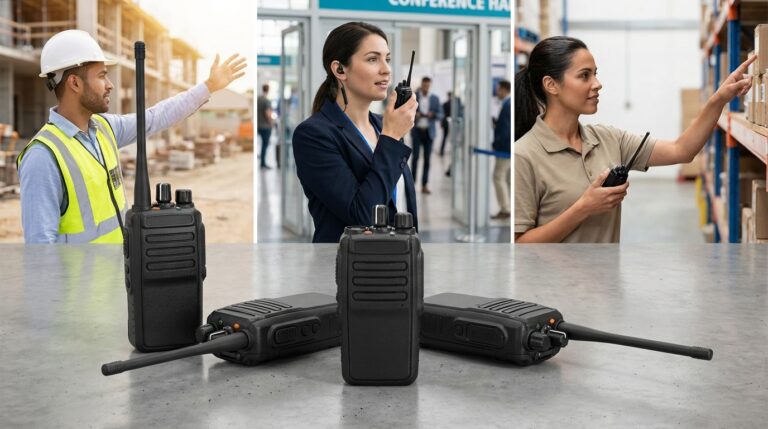
Digital Two Way Radio Systems have found extensive applications across various sectors, transforming the way professionals communicate. Emergency services rely heavily on these systems for reliable and efficient communication during critical situations, allowing first responders to coordinate effectively. In business and industry, companies utilize portable communication devices that operate on traditional UHF and VHF frequencies, ensuring seamless connectivity across different operational areas. These systems often feature advanced MHZ parts and TDMA digital technology, which enhance communication clarity and reliability. By integrating modern technology, organizations can streamline their operations and improve response times significantly.
Uses in Emergency Services
Emergency services rely heavily on Digital Two Way Radio Systems for efficient on-site communications. These devices have evolved from traditional walkie-talkie consumer radios to advanced systems like Hytera radios, which offer superior voice transmission capabilities. With the ability to connect multiple stations, these digital systems ensure that emergency personnel can coordinate their responses swiftly and effectively, enhancing operational effectiveness in critical situations.
The transition to digital converts has drastically improved the reliability and clarity of communications in emergency services. Digital Two Way Radio Systems eliminate the interference often experienced with analog systems, providing clearer voice transmission even in challenging environments. By utilizing these advanced devices, emergency responders can share crucial information without delay, ultimately saving lives and ensuring a more organized response during emergencies.
- Improved clarity and reliability in communications
- Enhanced ability to connect multiple stations for coordinated responses
- Greater resistance to interference compared to analog systems
- Features like text messaging for non-verbal communication
- Integration with GPS for location tracking of personnel
- Real-time updates and information sharing during emergencies
- Increased battery life and durability for extended use in the field
Adoption in Business and Industry
Digital Two Way Radio Systems have become a pivotal communication tool in various industries. The integration of fdma digital technology enhances the ability to manage multiple users efficiently, providing clear channels for communication. Businesses can leverage different technologies, such as digital repeaters and base stations, to extend their communication range. The variety of antenna options allows companies to customize their setups according to their specific operational needs.
Many organizations have recognized the benefits of using Digital Two Way Radio Systems for better coordination and safety. These systems offer robust communication solutions that improve response times and facilitate seamless interactions among team members. By utilizing advanced technology, businesses can ensure reliable communication in environments where traditional methods may falter, streamlining operations and enhancing productivity across the board.
Choosing the Right Two-Way Radio System
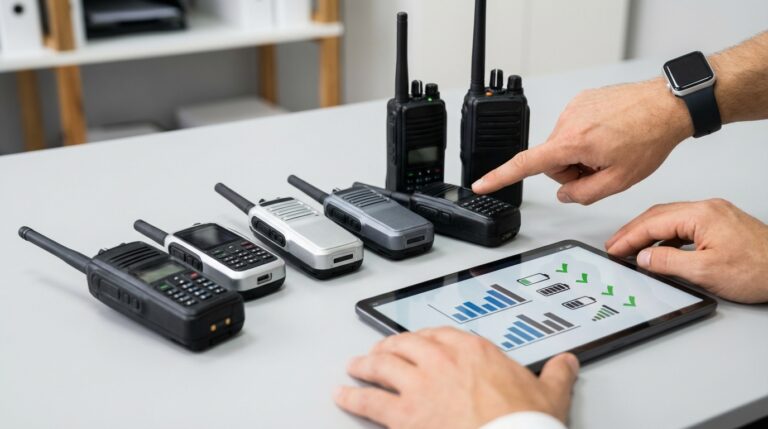
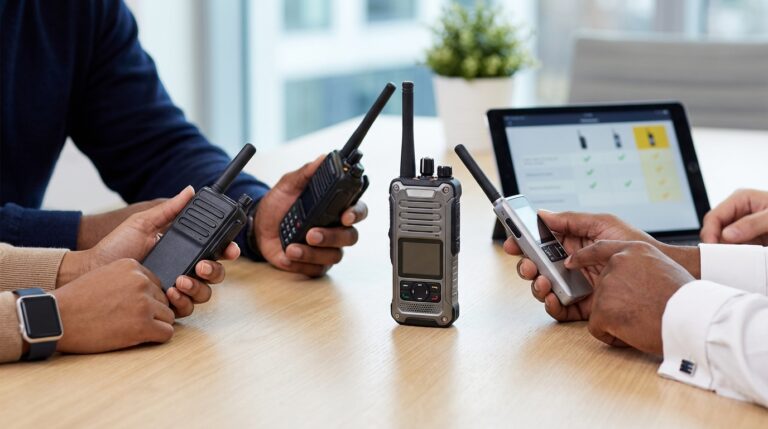
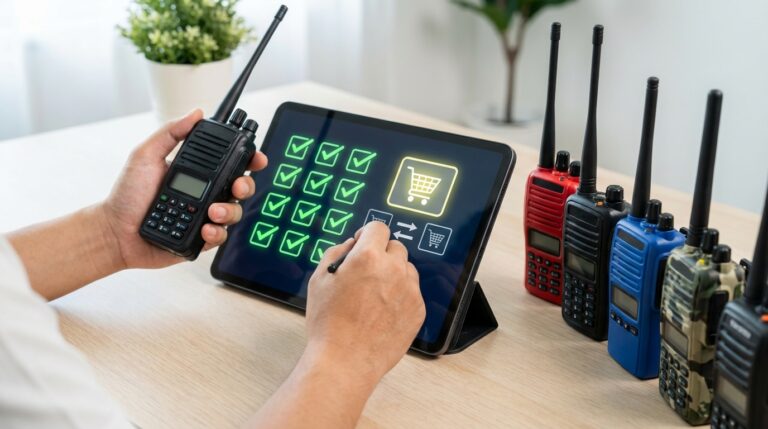
Selecting an appropriate system involves evaluating various Digital Two Way Radio Systems available in the market. Understanding the different channel models is crucial, as they define how users will communicate over specific channels. The choice of channel indicators can greatly affect user experience, particularly in busy environments. The Motorola DTR Series and nationwide PTT handheld options are popular choices due to their reliability and features. Considerations around mhz FHSS products also come into play, particularly for users needing interference-free communication. Regulatory aspects, such as III FCC AM/FM compliance, should not be overlooked to ensure effective operation.
- Identify your communication needs: Assess how many users will need to be connected and the range required.
- Evaluate battery life: Consider how long the radios can operate on a single charge, especially for extended use.
- Look for durability: Select models that are rugged and weather-resistant for outdoor or harsh conditions.
- Check for additional features: Features like text messaging, emergency alerts, and GPS tracking can enhance usability.
- Consider ease of use: Choose a user-friendly interface, especially if users are inexperienced with radio systems.
- Compare pricing: Look for options that fit within your budget without compromising essential features.
- Read user reviews: Research experiences from other users to gauge reliability and performance in real-world scenarios.
Factors to Consider in Selection
Selecting the right Digital Two Way Radio Systems requires an understanding of your communication needs. Instant voice communication is essential for many organizations, especially in sectors like emergency services and construction. Evaluating current equipment plays a crucial role in ensuring compatibility with existing systems. Brands such as Motorola TDMA and President Electronics offer reliable solutions tailored for secure communications. Website resources like twowayradiocenter.com can provide valuable insights into the latest models and features available.
Audio quality cannot be overlooked when assessing Digital Two Way Radio Systems. Clear and reliable audio enhances communication efficiency, particularly in fast-paced environments. Organizations should consider whether to integrate these systems with traditional communication networks to maintain seamless operations. Understanding specifications and reviews can help users choose the most suitable options for their specific needs and enhance overall performance.
Popular Brands and Models
The emergence of Digital Two Way Radio Systems has led to a range of popular brands that offer advanced features tailored to various needs. Brands like ProTalk provide reliable equipment with impressive audio quality, often incorporating cutting-edge technology like FHSS for secure transmissions. Users appreciate the incorporation of GPS functionality in these devices, which enhances situational awareness, especially in industries where tracking personnel is critical. Audio accessories further complement these systems, ensuring that communication remains clear and effective.
Several models stand out in the competitive landscape of digital radios, making them favored choices among professionals. Devices equipped with advanced safety features and user-friendly interfaces allow seamless communication in high-pressure environments. The shift from traditional phones to dedicated two-way radio systems has significantly improved operational efficiency. As the digital craze continues to reshape communication, the integration of features within Digital Two Way Radio Systems will keep evolving to meet the demands of users across various sectors.
Conclusion
Digital Two Way Radio Systems have revolutionized communication across various sectors, providing clear sound and efficient connectivity. The DTR series exemplifies the advancement in portable radios, enabling seamless networking capabilities that enhance operational effectiveness. With features like improved audio quality and enhanced security, these systems are tailored for both personal and professional use. The versatility of Digital Two Way Radio Systems makes them essential tools in industries from emergency services to business environments, ensuring reliable communication wherever needed.
FAQS
How do two way radios utilize two-way radio work in modern communication systems?
Two way radios operate by allowing two radios connecting directly to each other, which is essential for effective two-way radio work. The way radio msrp can vary based on features and technology used, such as FHSS technology. Additionally, radio licensing is required in some regions, and these portables often serve as alternatives to cellular devices for reliable communication.
What are the regulations surrounding radio licensing for operating two-way radio systems?
Radio licensing is essential for operating two-way radio systems, as it ensures compliance with national and international regulations. By obtaining the necessary radio licensing, individuals and organizations can legally communicate over designated frequencies, thereby reducing interference and maintaining clear communication channels.
What are the key considerations for obtaining radio licensing when using two-way radio systems?
When using two-way radio systems, it’s essential to understand the key considerations for radio licensing, which include complying with local regulations, obtaining the necessary permits, and ensuring that the equipment operates on authorized frequencies to avoid interference with other services.
What steps should I take to ensure compliance with radio licensing when operating two-way radios?
To ensure compliance with radio licensing when operating two-way radios, you should familiarize yourself with the specific regulations set by the Federal Communications Commission (FCC) or your country’s corresponding authority. It is essential to apply for the appropriate license, understand the frequencies you are allowed to use, and ensure that your equipment meets the required standards for radio licensing. Additionally, staying updated on any changes in regulations will help maintain compliance.
How can I ensure that I am compliant with radio licensing when using two-way radios?
To ensure compliance with radio licensing when operating two-way radios, it is essential to understand the local and federal regulations regarding radio licensing. Start by checking the specific licensing requirements in your area, as these can vary by location. Additionally, make sure to apply for the appropriate license type for your intended use of the two-way radio systems. Familiarize yourself with any operational limitations and guidelines specified in your license, and maintain proper records of your communications and equipment to remain compliant with radio licensing requirements.
What are the consequences of failing to comply with radio licencing regulations when using two-way radios?
Failing to comply with radio licencing regulations when using two-way radios can lead to significant penalties, including fines and legal repercussions. It is essential to understand and adhere to the radio licencing requirements to avoid disruptions in communication and potential legal issues.